
Four ways to distill and extract essential oils, keeping the scent of plants
A jasmine petal, a piece of orange peel, a handful of herb leaves. Each plant holds its scent in its own way, so people have had to find a different way of capturing the scent of each one. Essential oils have been used to create fragrance for a very long time, and each kind of plant needs a different extraction method.
Essential oils, as the name says, are the essence of a plant in the form of a thick, oil-like liquid, the result of a long distilling process through many different methods. The methods known today include:
Extracting the scent of flowers (Enfleurage)
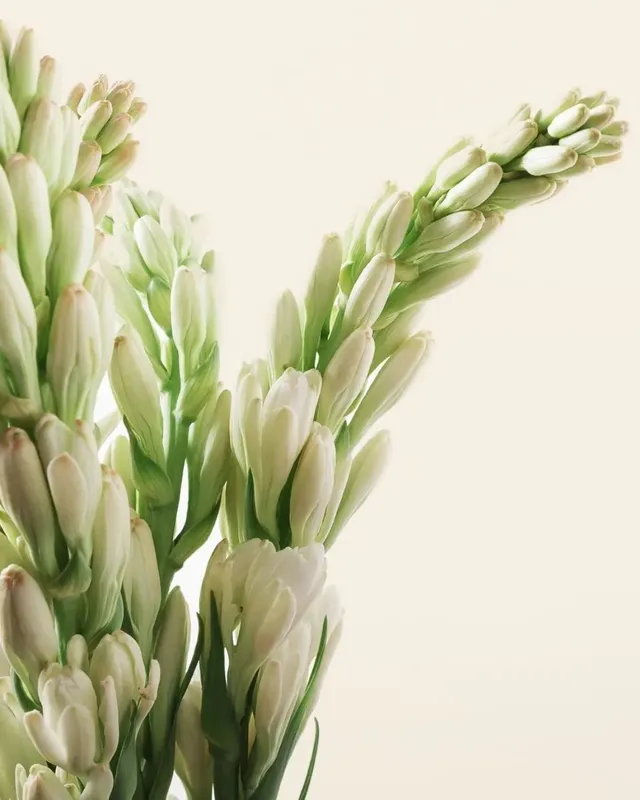
It is usually used for flowers with thin petals whose oil is very hard to extract, such as jasmine and ylang ylang. This is one of the oldest handmade methods, and it has its roots in France.
To capture the oil of delicate petals, a layer of animal fat called pomade is spread over iron frames and flowers are laid on top. The fat slowly draws the oil out of the flowers as they wilt. The fat is then dissolved in alcohol and heated.
Once the alcohol has fully evaporated, what remains is the essence, the absolute. The process is painstaking and slow, but it was once the main way to capture the scent of delicate flowers such as jasmine. An absolute smells very close to the fresh flower and costs a great deal.
This is the method Grenouille uses in the novel "Perfume" to take the scent of his victims and make a perfume said to be able to rule human emotion.
Cold pressing (Cold pressed)
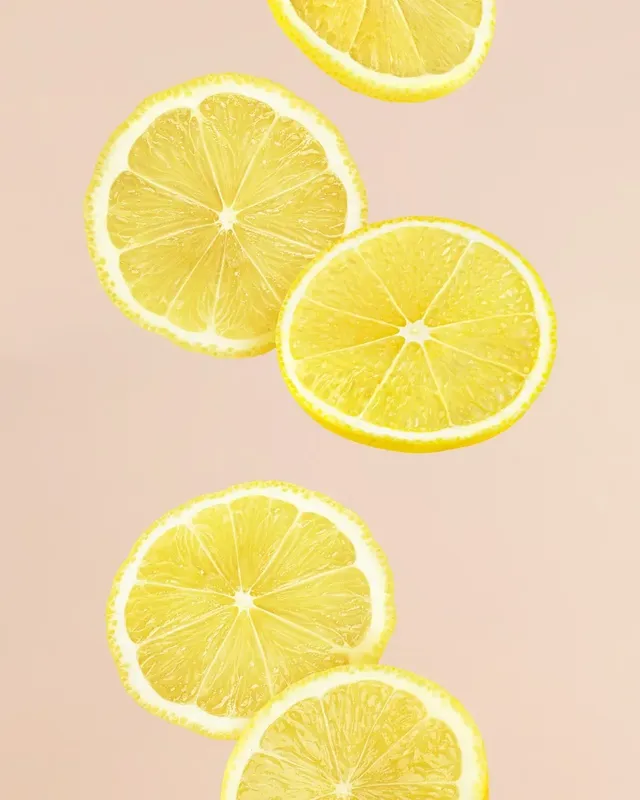
Cold pressing takes essential oil from the peel of plants. It uses no heat or solvent of any kind. Most citrus essential oils are extracted this way, including pomelo, rough lemon, lemon and orange essential oils.
Cold-pressed oil from citrus peel is still classed as an essential oil, by the definition of the international standard ISO 9235. What to watch for with this method is the source of the plant material. Because the material is the peel, any pesticide or crop protection chemical left on it will affect both the quality and the scent of the oil.
Steam distillation
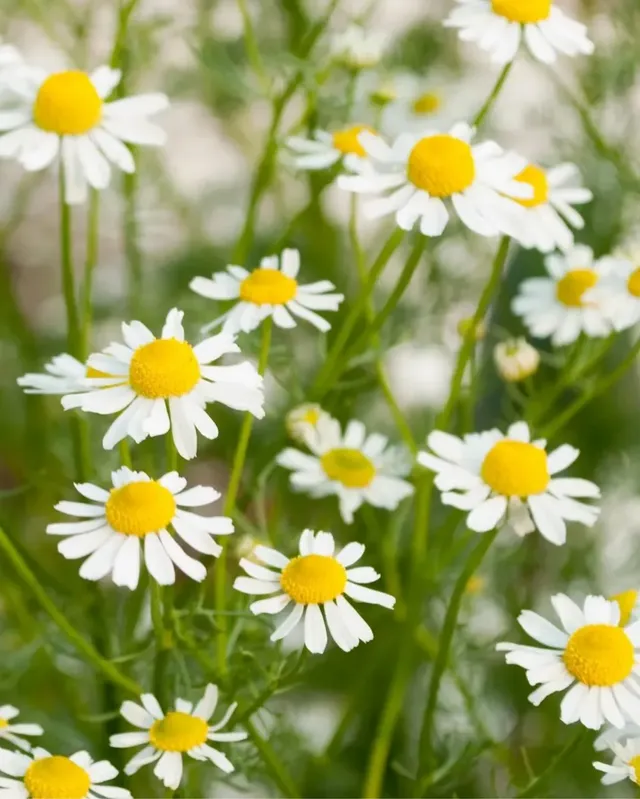
Steam distillation is the most common method to date and is used for most essential oils. What it yields is called an essential oil, unlike solvent extracts, which have their own names: concrete or absolute.
First, the herbs or plant material are put into the still together with purified water. The water must meet a purity standard to ensure the highest quality of the extracted oil.
In steam distillation, heat from below the still makes steam rise and carry the oil along the pipe. As it passes through a cooled section of the pipe, the steam condenses into drops and gives a mixture of hydrosol and essential oil.
Most essential oils are lighter than water, so they float as a very thin layer on the surface of the hydrosol. Hydrosol, also called herbal water or floral water, is the herbal water that carries about 0.02% essential oil. Once all the hydrosol is separated off, what remains is pure essential oil. The hydrosol is a valuable material that can be distilled again for more oil, or filtered for use in skincare products.
Solvent extraction
To date, this is the method used most in the perfume industry. The process uses solvents such as hexane, acetone or methylene chloride. That is why what it yields has its own name, an extract (concrete, absolute), and is used as a material for perfume.
In this method, the plants are soaked in a solvent to dissolve their aromatic compounds. Once the solvent has fully evaporated, what remains is a thick, waxy mass called a "concrete". Washing the concrete with alcohol and letting the alcohol evaporate gives an "absolute". Absolutes are used mainly in perfume.
The big advantages of this method are that it saves a great deal of time and cost, and its yield is far higher than steam distillation. Perfume and fragrance materials only need to keep the scent, so for these two industries, solvent extraction is the main method.
Frequently asked questions
What methods are used to extract essential oils?
The four common methods are extracting scent with fat (enfleurage), cold pressing, steam distillation and solvent extraction.
What is hydrosol?
Hydrosol is the water collected together with the essential oil during steam distillation. This water carries a small amount of the plant's essential oil and is also called floral water.
How does the perfume industry usually extract scent?
Mostly by solvent extraction. It is fast, costs less and gives a higher yield than steam distillation.
In my view, I especially treasure pure essential oils. Only pure essential oils, distilled by the right method, keep the full scent and essence of a plant, just as Mother Nature gave it. It is as if the plant moves its life from peel, stem, leaf and flower into another form, while still carrying its original beauty.
Saigon, 20/08/17, Rei Nguyen (see more on Rei Nguyen's blog here)
See more products from NOTE