
Does perfume expire? How to spot an expired bottle and store perfume so the scent lasts
Yes. Perfume does have a shelf life: an unopened bottle can keep its quality for about 10 years if stored properly; once opened, perfume should ideally be used within about 3 years and usually lasts 3–5 years depending on how it is stored. This article explains how to check the shelf life, the signs that perfume has expired and how to store it (the ideal temperature is about 10°C, away from sun and heat).
Contents
- Does perfume expire?
- What a perfume's shelf life means
- How to check a perfume's shelf life
- Factors that affect shelf life
- Signs that perfume has expired
- Should you use expired perfume?
- Other tips for storing perfume
- Should you store perfume in the fridge?
Does perfume expire? The question usually comes up when you open a cupboard, find a bottle of perfume you bought years ago and hesitate to spray it. Perfume does not go bad overnight like a carton of milk left out in the kitchen. It changes gradually, and where you keep the bottle decides whether it changes quickly or slowly.
Many brands print a perfume's shelf life right on the box, as a small symbol few people notice. If you can read that symbol and spot an expired bottle early, you will not have to guess. And if you want the scent to last, most of it comes down to where you keep it, including whether you should store perfume in the fridge.
Does perfume expire?
The answer is yes. Perfume has a shelf life, but it does not expire in an obvious, immediate way. Although perfume does not lose its concentration, its scent tends to oxidize as oxygen gets into the bottle. This process can change the scent molecules and affect the overall scent of the perfume.
What a perfume's shelf life means
Perfume is considered a type of cosmetic, so manufacturers usually give an average shelf life for their products, typically 3 to 5 years from opening. However, this does not fully hold for fine fragrances. In practice, fine fragrances usually have ingredients and production processes that meet high standards, which makes them more stable and able to keep their quality longer. With proper storage, perfume can keep its quality for a long time, even up to 8-10 years. That is why a perfume's shelf life is rarely something people worry about.
How to check a perfume's shelf life
Unlike other cosmetics, a perfume's shelf life is based on when it is opened rather than when it was made. Many brands use the PAO (Period After Opening) symbol to show the shelf life, written with the letter "M" (short for "month"). For example, if the packaging says 36M, the perfume should be used within 36 months after opening.
In theory, an unopened bottle of perfume can keep its quality for up to 10 years or more from the date it was packed. However, this usually holds for fine, genuine fragrances that have been stored properly. Once opened, a perfume's shelf life is shorter. On average, an opened perfume should ideally be used within about 3 years. That time can vary depending on the perfume's ingredients, how it is used and how it is stored.
If your perfume has no PAO information on the packaging, you can look it up on the brand's official website or contact the manufacturer directly for advice. This information will give you specific guidance on shelf life and how to store perfume as well as possible.
Factors that affect a perfume's shelf life
High temperatures
High temperatures are one of the key factors affecting a perfume's shelf life. When perfume is exposed to heat, the molecular structure of its aromatic compounds can change, reducing the product's quality and scent. In hot climates like Vietnam, especially in summer, temperatures can reach 40°C, seriously affecting perfume quality.
Direct light
Direct sunlight can damage perfume, because UV rays can break down scent molecules. Leaving perfume where it is exposed to sunlight can change its scent or even make it lose its scent completely.
Air
Each time you open the cap, a little oxygen from the air gets into the bottle and oxidizes the perfume. The Top notes (the layer you smell as soon as you spray) are affected before the rest. The molecular structure of the scent changes with it, the scent weakens and may spoil completely. So after each use, close the cap tightly right away to limit the bottle's contact with air.
The alcohol concentration of perfume
The concentration of solvent (alcohol) in perfume plays an important role in its shelf life. Perfumes with a high alcohol concentration usually last longer because alcohol acts as a preservative, helping prevent oxidation. Perfumes with an alcohol concentration of 70% to 90% usually have a longer shelf life than those with less alcohol or none. From the most alcohol to the least, the order is Eau Fraiche, Eau de Cologne, Eau de Toilette, Eau de Parfum and finally Perfume extract.
Perfume scent families
Each scent family oxidizes in its own way. Top notes such as citrus oxidize easily, while woods, amber and leather are quite stable and can hold their scent after three years. Bottles with a rich Base layer (the layer that stays on the skin longest), such as patchouli, amber, woods or vetiver, usually last well and keep longer.
Signs that perfume has expired
The scent has changed
When a perfume's layers change, the familiar scent is no longer what it was at the start. An expired perfume may even become quite harsh or faint, and sometimes cause discomfort or a headache when you smell it. Perfumes containing plant oils usually have a shorter life, and when they expire, they may smell like nail polish. Meanwhile, products without fats keep their scent longer. Although some distinctive notes may remain, the perfume will not last long on the skin.
The color has changed
Perfume close to expiring often changes color, getting darker or lighter than when you bought it, even if the liquid was clear at the start. The reason is usually that oxygen and light gradually change the scent molecules over time. A bottle that starts out pale blue may turn a deeper blue or an odd color such as brown near the end of its life. Hold the bottle up to the light to check carefully, because some bottles are colored for decoration.
The perfume has separated and has sediment
If you see the perfume separate into two layers, with a dark oily layer sinking to the bottom and a clear liquid on top, that bottle has gone completely bad. Do not spray it on your skin anymore, because the perfume has deteriorated and may irritate it.
The perfume does not last as long
Inevitably, an expired perfume's staying power fades over time and may last 1 hour or less, whereas it can normally last up to 12 hours.
Should you use expired perfume or not?
When the ingredients in perfume break down, they can irritate the skin or stain clothes. If you accept the risk and still want to use an expired perfume, always test it on a small patch of skin beforehand to check for a reaction. If the scent is completely different, stop using that bottle.
Other tips for storing perfume to extend its shelf life
- Keep the perfume's paper box. The box protects the bottle from knocks when you travel and shields it from direct sunlight.
- Close the cap tightly after each use to limit air getting into the bottle, and avoid leaving a half-empty bottle for too long, because by then quite a lot of air has got in through the cap.
- Buy the right size: enjoy your bottle freely and avoid waste while still getting to try many different scents.
- Storage conditions: Keep perfume somewhere cool, airy and dry, out of the sun, such as in a wardrobe.
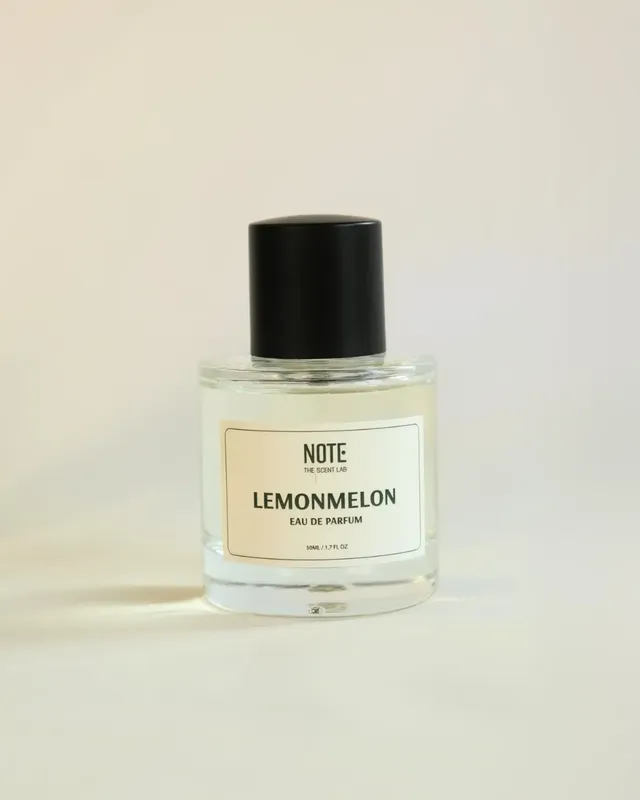
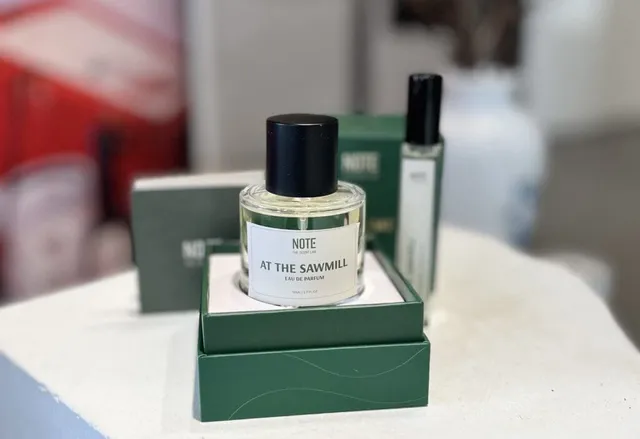
You can also browse NOTE's perfume collection. To blend a perfume of your own, book a perfume workshop with 9base at https://the9base.com/
Should you store perfume in the fridge?
The ideal temperature for storing perfume is about 10°C, and a fridge can help keep it there, slowing oxidation. When sprayed on the skin, chilled perfume feels cool and pleasant. Although a fridge can be a good place to store perfume, you need to consider factors such as temperature stability and light.
For example, you should not store perfume in the fridge if the door is opened often, letting light shine in constantly. This can make storage less effective. So you can wrap the bottle in foil to limit its exposure to light.
Perfume can also pick up smells and flavors from other food in the fridge. In addition, the change in temperature between inside and outside the fridge can affect the structure and quality of the perfume. So avoid changing its temperature too quickly.
If you can, you might invest in a separate beauty fridge to store perfume and other cosmetics.
Frequently asked questions
How long does an unopened bottle of perfume keep?
If kept somewhere cool and out of the sun, an unopened bottle can keep its quality for about 10 years. Once opened, you should use it up within about 3 years.
What does "36M" on a perfume box mean?
36M is the PAO (Period After Opening) symbol. It tells you to use the perfume within 36 months from when you open it.
Can I still use perfume that has changed color?
A darker or lighter color is a sign the perfume has deteriorated. Test it on a small patch of skin beforehand. If the scent has also changed completely, stop using that bottle.
Final thoughts
Perfume, like any other cosmetic, has a shelf life, usually counted from when it is opened. Depending on how it is stored and the quality of the product, a bottle of perfume can last 3 to 5 years after opening.
If you are looking for a bottle that lasts a long time on the skin, you can browse NOTE - The Scent Lab's Eau de Parfum scents. Eau de Parfum is more concentrated than Eau de Toilette, so the scent stays on the skin longer. The ingredients NOTE uses are all IFRA-compliant, meeting the standards of the International Fragrance Association.
For a bottle you blended yourself at 9base, there is one more way. 9base keeps your formula when you register it after the session, so you can have it blended again on your next visit.